

HVAC in Pharmaceuticals: Vital Role Explained
In the pharmaceutical industry, HVAC systems are key to keeping products safe and meeting high standards. This article looks at how HVAC systems help in pharmaceutical manufacturing. They keep the environment right, improve airflow, save energy, and follow the rules.

Key Takeaways
- HVAC systems are essential in maintaining critical temperature and humidity levels in pharmaceutical clean rooms
- Proper airflow management, including particle filtration and pressurization control, is crucial for clean room compliance
- HVAC optimization enhances energy efficiency and protects sensitive pharmaceutical equipment
- Regulatory compliance and product quality assurance are key drivers for HVAC systems in the pharmaceutical industry
- Advanced air filtration and environmental monitoring are integral components of HVAC design for clean room environments
Maintaining Critical Environmental Conditions
In the pharmaceutical industry, keeping temperature and humidity just right is key. Our HVAC systems are crucial for this. They help keep the environment safe for active ingredients, protect sensitive equipment, and make a great place for making drugs. By always checking these important factors, we make sure they stay within the right limits. This helps make medicines that save lives.
Temperature Control
Keeping the temperature steady is vital for keeping pharmaceuticals strong and effective. Our HVAC solutions use advanced tech to control temperature well. This stops ingredients from breaking down and keeps the quality of the drugs consistent.
Humidity Regulation
Keeping humidity at the right level is also key in pharmaceutical facilities. Too much or too little humidity can harm the drugs. Our HVAC systems use top-notch tech to keep humidity just right. This protects the quality of the manufacturing process and the final product.
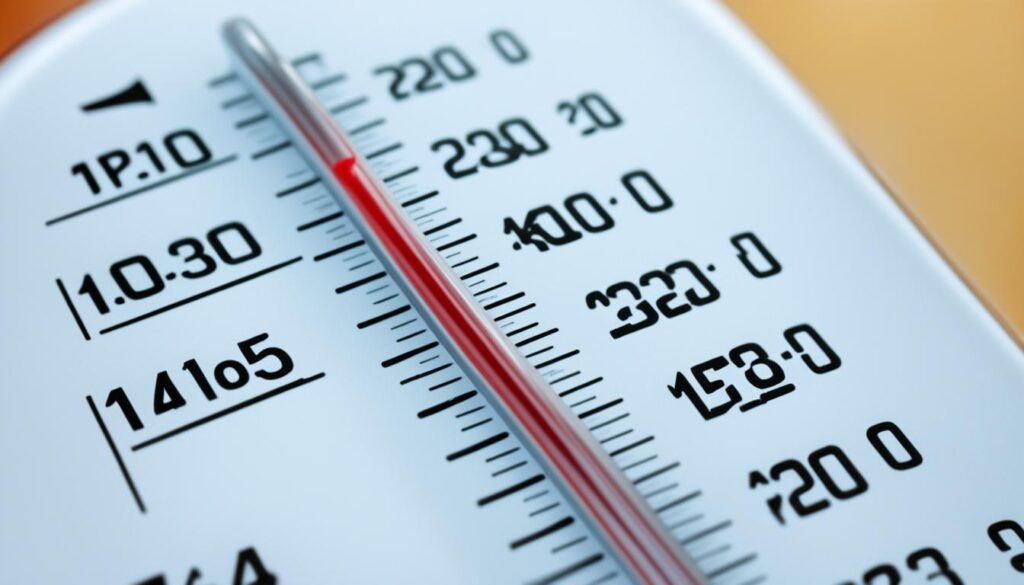
“Precise environmental control is the cornerstone of pharmaceutical manufacturing, ensuring the consistent quality and efficacy of the medications we produce.”
By combining temperature control, humidity regulation, and constant monitoring of the environment, we meet the highest standards in the pharmaceutical industry. This approach is vital for following strict rules and making safe, effective medicines for patients all over the world.
Ensuring Compliance with Clean Room Standards
Keeping a clean room environment is crucial in the pharmaceutical industry. Our HVAC systems are designed to meet the strict clean room compliance standards. They provide top-notch air filtration and particle filtration, protecting pharmaceutical products.
Our HVAC solutions use advanced filtration to remove airborne contaminants and microorganisms. These systems control temperature, humidity, and airflow. This creates a safe space that reduces the chance of contamination.
Our clean room HVAC systems focus on key areas:
- Particle count: Keeping particle levels far below allowed limits
- Air pressure: Creating a positive pressure to keep out outside air and contaminants
- Air changes per hour: Ensuring enough air exchange to remove impurities
- Temperature and humidity: Controlling conditions to protect pharmaceutical products
By meeting these strict standards, our HVAC solutions are key to keeping pharmaceutical products safe and quality. This ensures compliance and builds trust with patients.
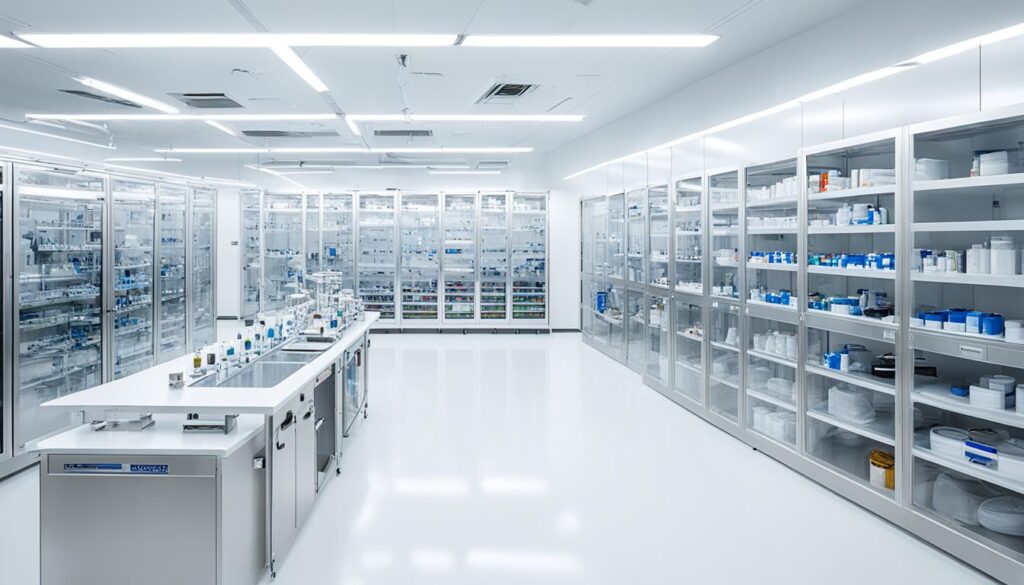
“Adhering to clean room compliance is not just a regulatory requirement, but a fundamental responsibility in the pharmaceutical industry. Our HVAC systems are the unsung heroes, ensuring the highest levels of product purity and patient safety.”
Optimizing Airflow Management
In pharmaceutical facilities, HVAC systems are key to keeping the air safe and free from contaminants. Managing airflow well means using particle filtration and controlling pressurization with precision.
Particle Filtration
Removing airborne particles is crucial to keep clean rooms safe. We use HEPA filters to catch tiny particles, making the air very pure.
Pressurization Control
Keeping the right pressure differences is important for airflow in pharmaceutical places. We manage the pressure to keep clean air flowing in and out. This keeps the air clean and safe for making medicines.
| Airflow Management Considerations | Importance |
|---|---|
| Particle Filtration | Removes airborne contaminants, ensuring a clean and sterile environment |
| Pressurization Control | Maintains directed airflow and prevents the intrusion of unfiltered air into critical areas |
By improving airflow with better filtration and pressurization, we make the perfect environment for making top-quality medicines.
“Effective airflow management is the foundation of a successful pharmaceutical manufacturing operation.”
Importance of HVAC in Pharmaceuticals
HVAC (Heating, Ventilation, and Air Conditioning) systems are crucial in the pharmaceutical industry. They protect critical equipment, keep pharmaceutical products quality high, and follow strict rules.
HVAC systems control temperature, humidity, and airflow. This creates an environment that supports pharmaceutical product stability and effectiveness. It’s key for keeping drugs, vaccines, and medical treatments safe and effective.
Managing HVAC systems is key for product quality assurance. They keep clean room standards, filtering out contaminants. This reduces the risk of product contamination and protects manufacturing equipment.
HVAC systems also help with the importance of hvac in pharmaceutical following FDA and cGMP rules. By keeping the environment right, manufacturers show they care about safety and quality. This is vital for passing audits and keeping licenses.
“Maintaining the right HVAC conditions is not just a best practice, but a fundamental necessity for the pharmaceutical industry. It’s the cornerstone of ensuring product integrity and patient safety.”
In summary, HVAC systems are vital for pharmaceutical manufacturing. They protect product quality, equipment, and follow rules. By focusing on HVAC, pharmaceutical companies can give safe and effective treatments to patients.
Enhancing Energy Efficiency
In the pharmaceutical industry, keeping the environment just right is key. But, it can use a lot of energy. Luckily, new HVAC technology lets us make systems that save energy without sacrificing what pharmaceuticals need.
We boost energy efficiency by using variable-speed drives. These parts let our HVAC systems change their power use based on what’s needed. This means we use less energy when we don’t need as much. By watching and controlling the equipment closely, we use energy better and cut down on carbon emissions.
Equipment Protection
Our HVAC systems also protect equipment. Pharmaceutical gear can’t handle extreme temperatures or humidity. Our systems keep the environment just right, making sure the equipment works well and lasts longer.
We also do regular checks and make adjustments to the HVAC system. This stops problems before they start, avoiding downtime and making equipment last longer. Keeping the valuable equipment safe helps the whole facility work better and more efficiently.
| Energy Efficiency Strategies | Equipment Protection Measures |
|---|---|
| Variable-speed drives Precision environmental monitoring Optimized energy usage | Maintaining optimal temperature and humidity Preventive maintenance protocols Proactive issue identification and resolution |
By focusing on energy efficiency and equipment protection, our HVAC systems help the pharmaceutical facility be more sustainable and productive. They meet the strict environmental needs of the industry.
“Optimizing HVAC systems for energy efficiency and equipment protection is a critical aspect of maintaining a sustainable and compliant pharmaceutical operation.”
Regulatory Compliance and Product Quality Assurance
In the pharmaceutical world, following rules and ensuring product quality is key. HVAC systems are vital for this. They keep the environment right, like temperature and humidity, which is important for making safe drugs.
Groups like the FDA and EMA set strict rules for making drugs. HVAC systems help companies follow these rules. They make sure places are clean, controlled, and validated properly.
| Regulatory Compliance | Product Quality Assurance |
|---|---|
| Compliance with cGMP (Current Good Manufacturing Practices) Meeting clean room standards for air quality and particle counts Adherence to temperature and humidity requirements Proper documentation and record-keeping | Maintaining consistent environmental conditions Preventing cross-contamination and microbial growth Ensuring the stability and efficacy of drug products Improving the overall production process |
By improving HVAC systems, pharmaceutical companies can meet rules and boost their quality checks. This link between HVAC and quality control is key for making safe, effective drugs.
“Regulatory compliance and product quality assurance are the bedrock of the pharmaceutical industry. HVAC systems are the unsung heroes that help us achieve these critical objectives.”
Advanced Air Filtration Systems
In the pharmaceutical industry, keeping the air clean is very important. We use air filtration technology to remove harmful particles and germs from the air. These systems are key to our HVAC plan, making sure the air is as clean as needed.
Environmental Monitoring
We also have a strong environmental monitoring program to check the air quality. This helps us spot problems early and fix them. It keeps the air perfect for making our medicines.
Our monitoring includes:
- Air particle counters to track contaminants
- Sensors for humidity and temperature
- Tests for harmful germs
“Keeping the air clean is key in making medicines, and our advanced air filters help a lot.”
| Feature | Benefit |
|---|---|
| High-efficiency particulate air (HEPA) filtration | Removes 99.97% of airborne particles 0.3 microns or larger, ensuring a clean and sterile environment |
| Continuous environmental monitoring | Identifies potential issues early, allowing for proactive adjustments to maintain optimal conditions |
| Compliance with regulatory standards | Ensures our facilities meet or exceed industry guidelines for air quality and cleanliness |
Ventilation Design for Clean Room Environments
Keeping clean room environments in pharmaceutical facilities is key for making high-quality, sterile drugs. The HVAC system’s design is crucial for these conditions. Ventilation systems with special air distribution and pressure gradients help. They provide the needed air changes, temperature control, and keep contaminants out.
A strong clean room environment needs a well-thought-out ventilation system. These systems make sure the air flows consistently and controls temperature. This helps avoid cross-contamination and keeps the area sterile for making drugs.
Optimizing Airflow Management
Good airflow is key in clean rooms. Ventilation systems aim to:
- Keep air changing often to clean and push out contaminants
- Create a positive pressure to keep outside air and particles out
- Help air filters spread and move well through the clean room
Enhancing Filtration and Pressurization
Clean room ventilation systems also use top-notch filtration and pressurization. These systems:
- Use HEPA filters to catch airborne particles and germs
- Keep pressure higher inside the clean room to block contaminants
- Check and adjust pressure, temperature, and humidity to follow strict rules
| Parameter | Recommended Range |
|---|---|
| Temperature | 20-25°C (68-77°F) |
| Relative Humidity | 30-60% |
| Air Changes per Hour (ACH) | 20-30 ACH |
| Positive Pressure Differential | 10-15 Pa (0.04-0.06 inches of water) |
By designing and improving ventilation systems in clean rooms, pharmaceutical makers can meet high cleanliness, control, and compliance standards. This helps make safe and effective drugs.
“Proper ventilation design is the foundation of a successful clean room environment, ensuring the consistent quality and safety of pharmaceutical products.”
Conclusion
In the fast-changing world of pharmaceuticals, HVAC systems are key. They make sure drugs are safe and work well. These systems control temperature, humidity, and airflow. This is crucial for meeting important quality and safety standards.
As HVAC’s role in pharmaceuticals grows, we see its big impact on product quality and making things. These systems create the right environment and save energy. They also protect expensive equipment and lessen harm to the environment.
The pharmaceutical industry will depend more on HVAC technology in the future. This makes HVAC a key part of making things better and more innovative. By managing airflow, filtering, and pressurization, we keep our products clean and safe. This protects the quality of our drugs and helps keep patients healthy all over the world.
FAQ
What is the importance of HVAC in the pharmaceutical industry?
HVAC systems are key in the pharmaceutical industry. They ensure product quality, safety, and meet industry standards. These systems keep the environment right, improve airflow, and save energy. This is vital for making safe and effective drugs.
How do HVAC systems help maintain critical environmental conditions in pharmaceutical facilities?
HVAC systems control temperature and humidity in pharmaceutical facilities. This is crucial to keep active ingredients safe and protect equipment. They also make sure the environment is perfect for making drugs.
What is the role of HVAC in ensuring compliance with clean room standards?
HVAC systems keep clean rooms clean by controlling air quality and flow. They filter air well and manage pressure to meet strict standards. This is important for making drugs safely.
How do HVAC systems optimize airflow management in pharmaceutical facilities?
HVAC systems manage airflow to keep the environment safe and clean. They filter out particles and control air pressure. This keeps clean rooms and production areas safe from contamination.
What is the importance of HVAC in protecting pharmaceutical equipment and ensuring product quality?
HVAC systems are crucial in the pharmaceutical industry. They protect equipment and keep products safe. By controlling temperature, humidity, and airflow, they help make sure pharmaceutical products are stable and of high quality.
How do HVAC systems contribute to energy efficiency in pharmaceutical facilities?
Pharmaceutical facilities need to work in strict conditions, which uses a lot of energy. HVAC systems are made to use less energy, saving money and reducing carbon emissions. They also protect equipment from extreme temperatures, making them last longer.
What is the role of HVAC systems in regulatory compliance and product quality assurance?
The pharmaceutical industry has strict rules, and HVAC systems help follow these rules. They keep the environment right for making safe and effective drugs. This is key for quality assurance.
How do advanced air filtration systems in HVAC contribute to the pharmaceutical environment?
HVAC systems use advanced filters to clean the air in pharmaceutical facilities. These filters remove contaminants, keeping the air clean. This helps meet strict air quality standards set by regulators.
What is the importance of ventilation design in creating clean room environments for pharmaceutical facilities?
HVAC systems are key in making clean rooms in pharmaceutical facilities. They design ventilation to control air flow and pressure. This helps keep the air clean and supports making high-quality, sterile drugs.